Ask most people why they exercise, and you'll hear some version of: weight loss, looking better, fitness performance. Ask an ageing adult what they actually need from exercise, and the honest answer is completely different: strength, balance, stamina, mobility — and one most people forget entirely, power.
I'll say it plainly, because I want you to remember it: the best exercise for ageing is the exercise that helps you keep doing what you love.
Physical activity is not the same as exercise
This trips people up constantly. Walking around a shopping centre for two hours is physical activity — and it's genuinely good for you. But it is not exercise, and I don't say that to be pedantic. Exercise is intentional, continuous motion that expends real energy — the kind where you notice your breathing get heavier and, instead of slowing down out of instinct, you keep going. Intensity and intentionality are the difference. If health improvement and independence are what you're after as you age, intention is non-negotiable.
The evidence doesn't wait for you to be young
Here's the part that should give you hope regardless of your starting point: research from the Baltimore Longitudinal Study of Aging found that people who began exercise training in their 60s and 70s still experienced improved heart function and a reduced risk of coronary events. It is genuinely never too late to start. Endurance exercise — walking, swimming, dancing, cycling — improves breathlessness and fatigue in older adults by strengthening the heart, lungs, and circulatory system together.
A small step, taken by someone I know very well
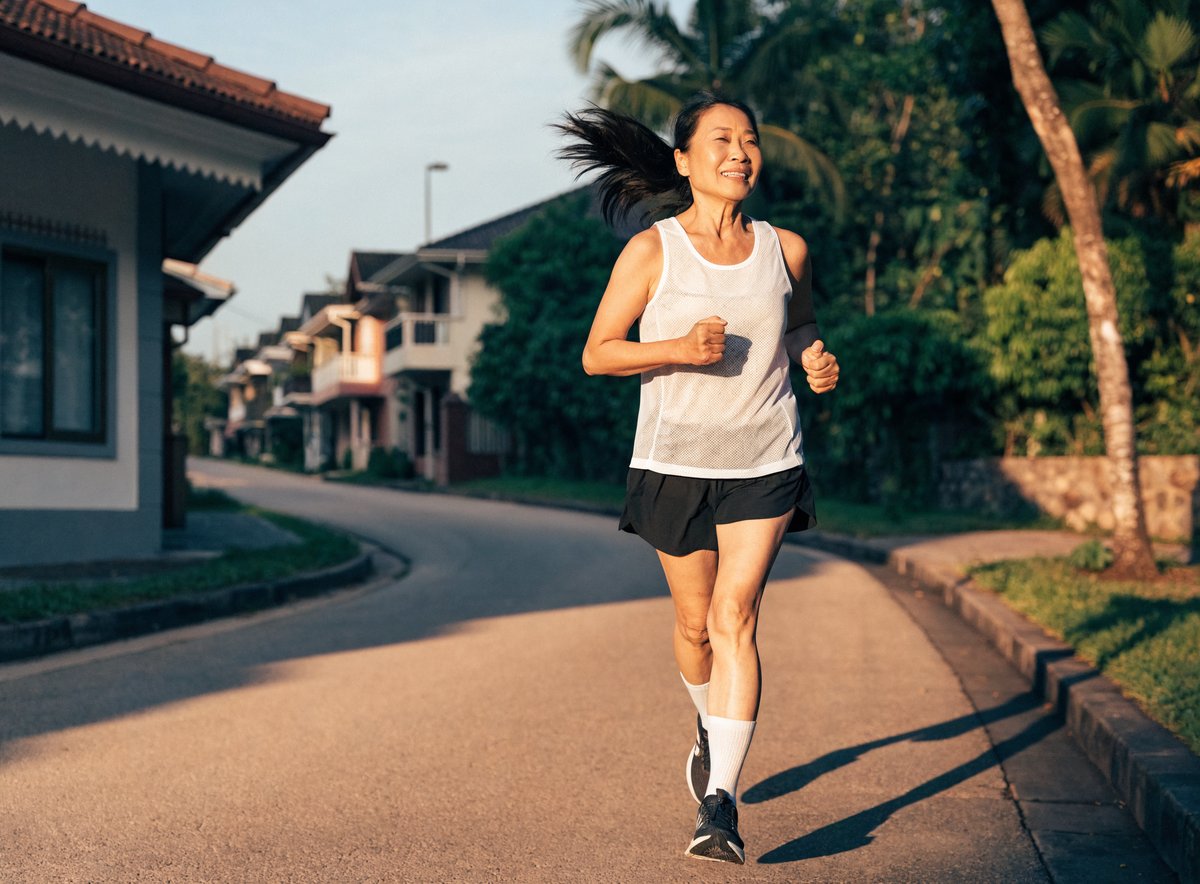
My wife decided she wanted a change — she felt sluggish, unfit, and simply wanted to feel better in her own body. She started with 10-minute jogs. I remember the first one clearly: she came back panting after just two rounds around our neighbourhood, genuinely surprised at how unfit she'd become. Four months later, she'd transformed — fitter, healthier, more vibrant, and still going. By month seven, she'd progressed to an entirely new level of fitness she hadn't touched in years.
I'm proud of her, and I share this story because I want you to hear it plainly: it is possible, and it starts with one small, unglamorous step — not a transformation overnight.
Train for the life you actually want to keep living
Balance training prevents the falls that take away independence. Strength training protects against the muscle loss (sarcopenia) that quietly begins in midlife. Flexibility keeps you limber enough to do ordinary things — reaching, bending, getting up off the floor — without a second thought. None of this is about vanity. All of it is about staying the person who does things for themselves, for as long as possible.